


.svg)


Diary of a Production Line: Routines Transformed by Automation
Discover the transformation brought to production lines by automation, artificial intelligence, and lights-out factory systems. The future is now powered by data!
Subject
Patrion University
How are Industrial Electrical Panels Designed in Compliance with IEC, TSE, and CE Standards? Discover the technical points to consider for safety, energy efficiency, and international compliance.
Blog
Knowledge
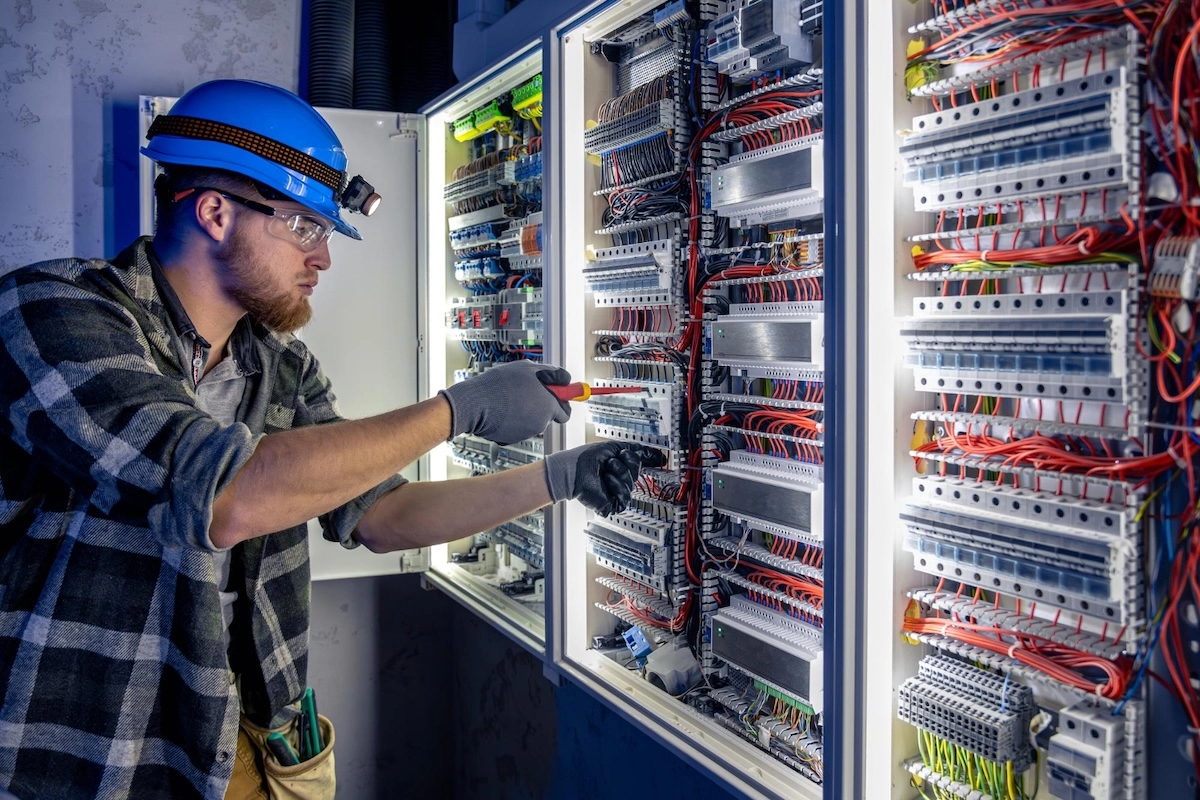
Industrial electrical panels are one of the most critical components of a facility's energy infrastructure. These panels ensure the safe supply of power to the machines, motors, and control systems used in production processes. However, the reliability of the panels is possible not only through the selection of quality equipment but also through compliance with international design standards. At this point, IEC, TSE, and CE standards come into play, offering a framework for safe, efficient, and sustainable energy management.
In modern industrial facilities, panel design covers not only the electrical arrangement but also parameters such as heat management, ergonomics, data communication, and digital traceability. For this reason, a panel designed in compliance with standards both minimizes the risk of failure and increases energy efficiency. In short, design standards are not merely a technical requirement but the foundation of operational safety.
Concepts such as industrial electrical panels, panel design, IEC standards, TSE standards, CE marking, and electrical safety have become not only technical requirements but also legal and safety obligations in today's manufacturing world. In modern industrial facilities, electrical panels form the heart of energy distribution. However, faulty design of these systems can lead to critical consequences such as overheating, short circuits, fire, or production loss.
For this reason, it is essential that a panel is designed not only to be functional but also in compliance with international safety and quality standards. Regulatory bodies such as IEC (International Electrotechnical Commission), TSE (Turkish Standards Institution), and CE (European Conformity Certificate) have determined comprehensive criteria for the safe, efficient, and sustainable production of electrical panels.
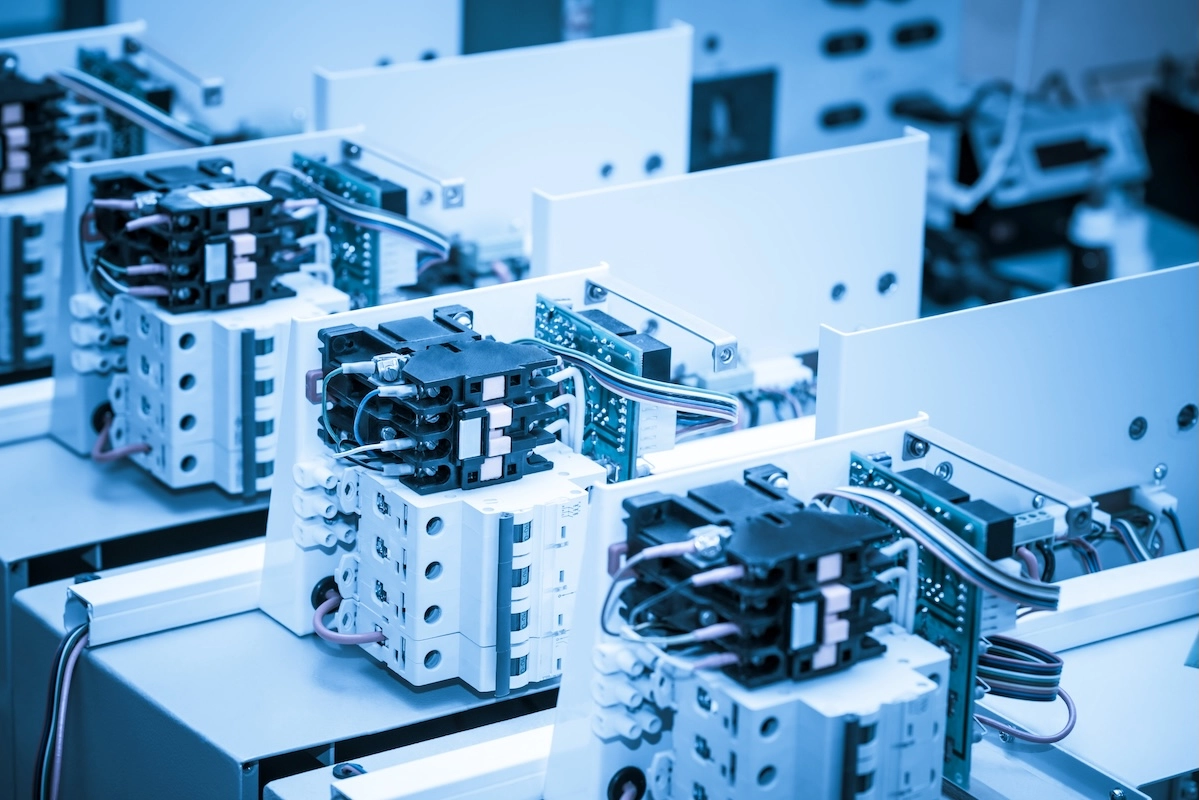
The design of an electrical panel involves more than just the placement of components; every detail plays a decisive role in terms of energy safety, ease of maintenance, and longevity. Factors such as heat distribution, cable management, and the selection of circuit protection elements directly affect the panel's performance. Therefore, adherence to both engineering principles and international standards is mandatory during the design process.
Furthermore, when designing the panel, the facility's energy load, environmental conditions, frequency of use, and possibilities for future expansion must also be taken into consideration. Factors such as modular structure, ease of maintenance, and user safety make a difference not only during the production process but also in long-term operational costs. Therefore, every panel must be specifically planned for the facility it is used in and shaped by the principle of "safety in design."
Key factors to consider for a successful panel design:
These factors directly affect both operational safety and system performance.
IEC (International Electrotechnical Commission) standards are among the most important references for the safe and consistent design of electrical panels on a global scale. Specifically, the IEC 61439 standard defines critical parameters such as panel structure, short-circuit withstand capability, temperature rise limits, and insulation clearances. This standard provides both the manufacturer and the user with a safe, tested, and verified system.
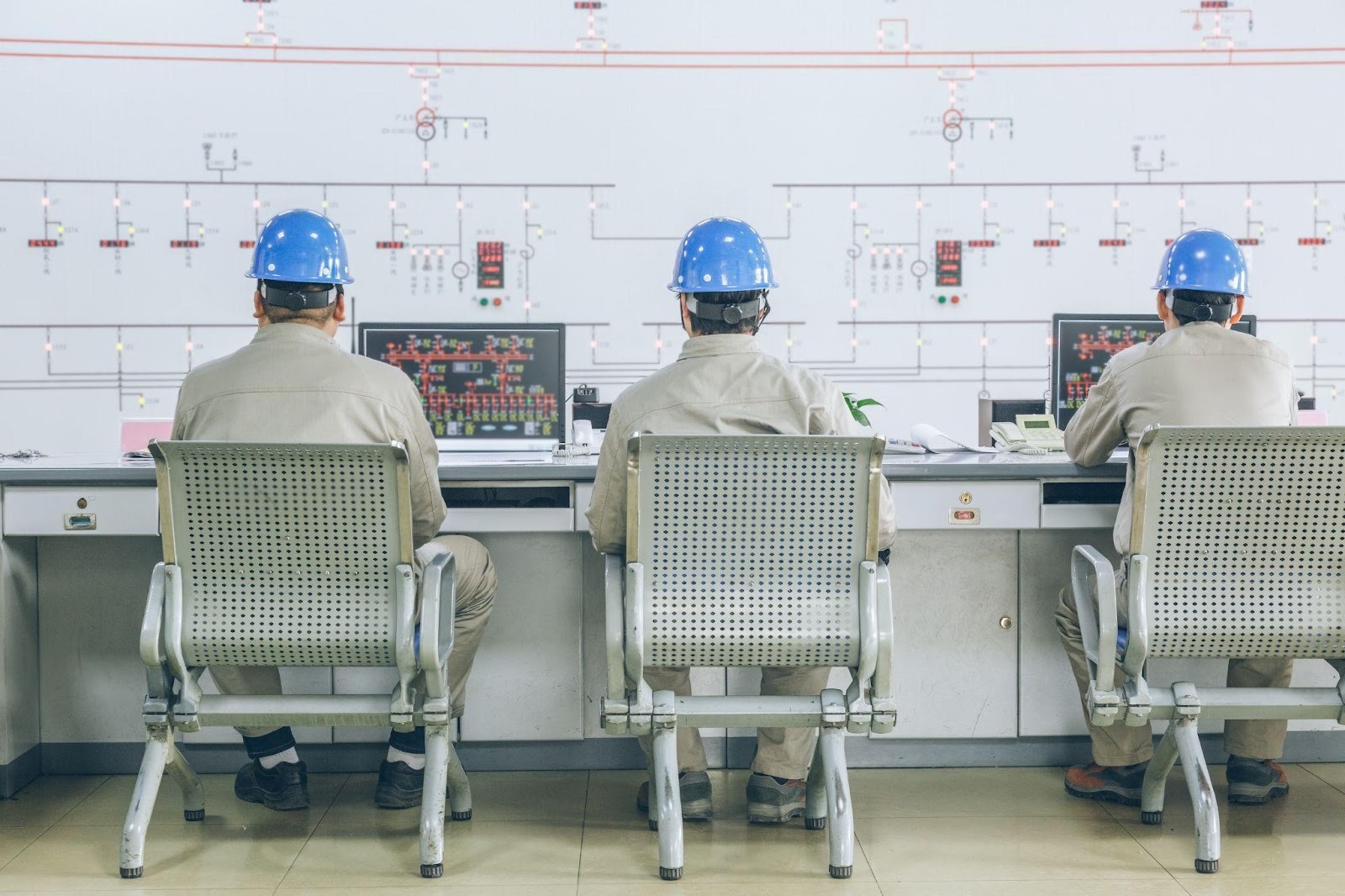
A panel design compliant with IEC standards brings not only quality but also international validity. These standards determine all stages, from production to testing processes. Thus, a panel can be used with the same safety criteria in every industry, from Europe to Asia. Consequently, IEC compliance is accepted as the universal language of industrial safety.
Critical points to consider in panel design according to IEC standards:
A design compliant with IEC standards both ensures international validity and increases production quality
TSE (Turkish Standards Institution) is the institution that determines the quality and safety framework for electrical panel production in Turkey. Standards such as TS EN 61439 and TS EN 60204 are prepared in direct compliance with IEC. A panel conforming to TSE standards is inspected at every stage, from cable cross-sections to labeling methods, and from the protection class to insulation testing.
These standards are considered a legal necessity in industrial projects, particularly in Turkey. A TSE-certified panel not only means it is safe but also fully compliant with local regulations. Furthermore, this compliance is valued as a quality assurance in public tenders, energy distribution projects, and industrial facility installations.
Some basic criteria to consider according to TSE standards:
TSE compliance is regarded as a necessity, particularly for public tenders and industrial projects within Turkey.
The CE (Conformité Européenne) mark indicates that a product complies with European Union safety and environmental standards. For electrical panels, the CE label proves that the panel has successfully passed tests for electrical safety, electromagnetic compatibility, and mechanical durability. This mark is a legal requirement for every manufacturer wishing to offer products to the European market.
The CE certificate is not just a symbol but also a declaration of responsibility. The manufacturer guarantees the safe use of the product with the CE label. This process is based on the Low Voltage Directive (LVD), the EMC Directive, and the Machinery Directive (MD). CE compliance strengthens both product safety and the brand's international reliability.
Key directives for the CE certificate:
Within the framework of these directives, the panel manufacturer must create a product technical file, issue a declaration of conformity, and document the test results. Panels without the CE mark cannot be legally sold in the European market.
When designing an electrical panel, factors such as practical usage, ease of maintenance, and safety must be considered, as well as compliance with technical standards. In particular, heat distribution, cable placement, grounding structure, protection class (IP), and labeling scheme are critically important for the system's safe operation. Otherwise, a small design error could lead to serious consequences such as a short circuit or fire.
Furthermore, digitalization and communication infrastructure have become important requirements in modern panel designs. Thanks to energy analyzers, digital meters, and communicating modules, panels are no longer just energy distributors but have become "smart" systems that also analyze data. This both facilitates compliance with IEC and TSE standards and increases energy efficiency.
However, specific critical points must be considered during the design process to ensure compliance:
All these elements directly affect both operational safety and energy efficiency in the long term.
Today's industrial panels are no longer just structures that distribute energy; they are also smart systems that collect and analyze data. Energy analyzers, digital meters, and communicating modules allow facilities to monitor energy consumption and identify optimization opportunities.
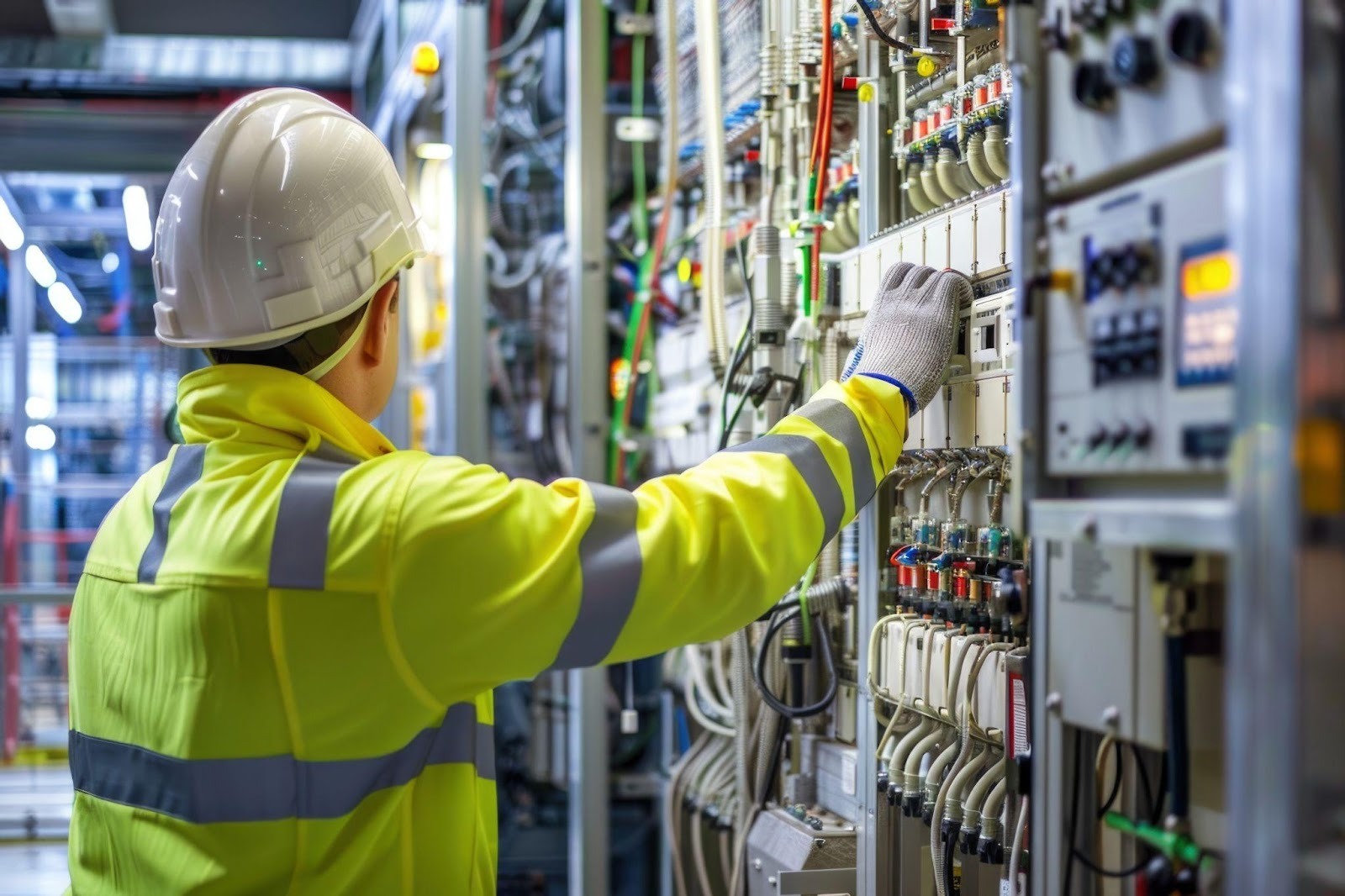
Digitalization also facilitates the monitoring of standard compliance. Thanks to smart panels, adherence to IEC or TSE requirements has become instantly controllable with real-time data. Thus, production facilities both achieve energy savings and reach sustainability goals.
Today's industrial panels are no longer just a structure that distributes energy; they are also smart systems that collect and analyze data. As a result, energy management has become much more transparent, traceable, and optimizable compared to the past.
Digitalization has created a revolution not only in terms of efficiency but also in the auditing of standard compliance.
Thus, production facilities not only achieve energy savings but also fulfill their environmental responsibilities by reaching sustainability goals. Consequently, smart panels are no longer just distribution units but have become the heart of industrial intelligence.
Compliance with standards in industrial electrical panels is not just an engineering discipline, but also the foundation of sustainable production. This is because a panel that is improperly designed or not manufactured according to appropriate standards both increases safety risks and can lead to energy losses.
Panels designed in compliance with IEC, TSE, and CE norms:
A panel designed according to these standards not only minimizes failures but also signifies a long-term investment:
In short: A standard-compliant panel is the key to safe energy management. This compliance guarantees not only today's production safety but also the sustainable industrial ecosystem of the future.
Why are IEC standards important in electrical switchboards?

What does a TSE certified panel guarantee?
Is CE marking mandatory?
What does the IEC 61439 standard cover?
What does IP protection class mean on boards?
Why is the temperature inside the board important?
What should be considered in the grounding system?
How to get CE certificate?
What are digital meters good for?
What software is used in the design of the electrical panels?
Author
Furkan Canatan
Marketing Manager
Yazar
Blog
Knowledge Base


.svg)
.svg)


