


.svg)


Diary of a Production Line: Routines Transformed by Automation
Discover the transformation brought to production lines by automation, artificial intelligence, and lights-out factory systems. The future is now powered by data!
Blog
Knowledge
The concepts of MCC panels, motor control centers, industrial safety, modular panel design, energy efficiency, and IEC standards form the foundation of efficiency and safety in modern manufacturing facilities. MCC (Motor Control Center) panels enable the centralized control of motors, pumps, fans, and other equipment in industrial facilities. These panels not only manage power distribution but also guarantee the facility's operational safety, ease of maintenance, and production continuity.
In today's highly automated factories, MCC panels have evolved from classic fixed structures into modular, smart, and digitally integrated systems. This transformation ensures both the acceleration of production processes and the elevation of safety standards. MCC systems compliant with standards such as IEC 61439, TSE EN 60204, and CE increase operator safety while reducing energy losses. So, why are safety and modularity so important in modern MCC panels? Let's explore the details together.
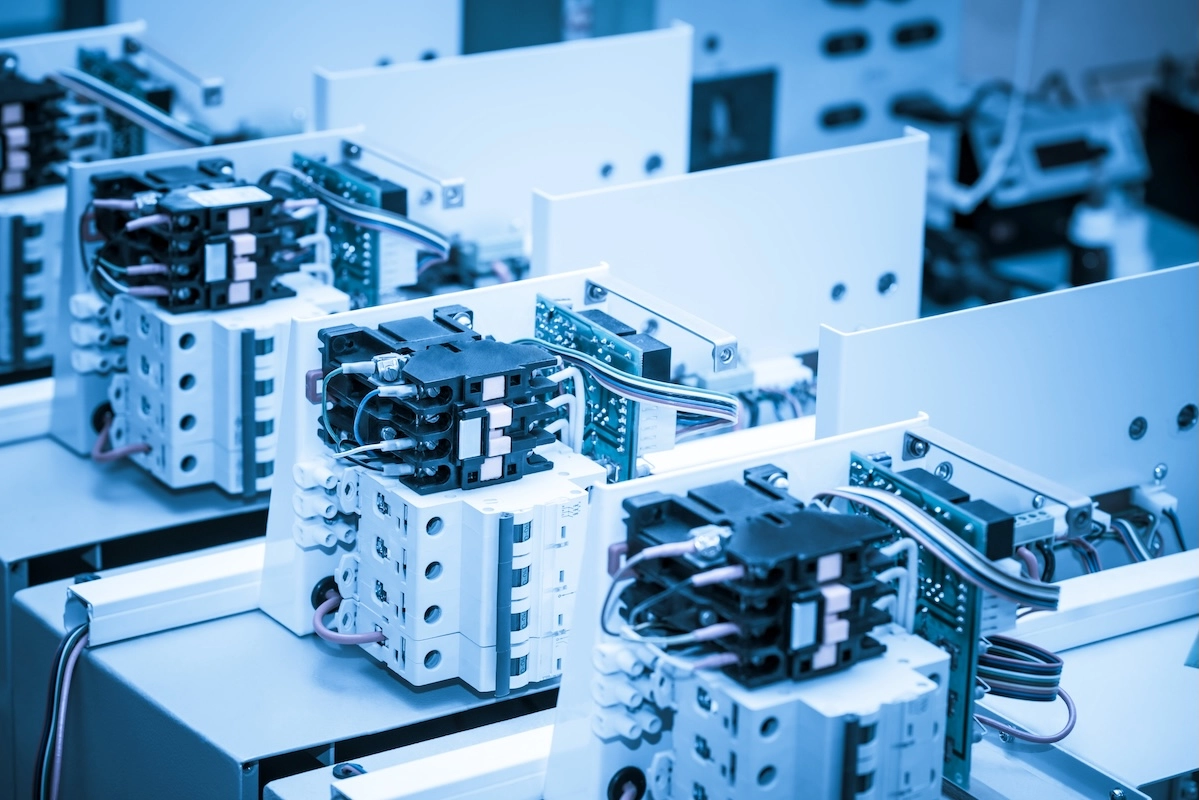
An MCC (Motor Control Center) panel is an electrical panel system that enables the centralized control of motors, pumps, fans, and other electrical equipment in industrial facilities. These panels are designed to manage motor circuits in an organized and safe manner. An MCC panel generally consists of motor protection switches, contactors, fuses, relays, and measurement devices. Its main purpose is to distribute power safely, protect motors against overcurrent, short circuits, or phase faults, and increase operational efficiency.
In modern production facilities, MCC panels do not only distribute energy; they also work in integration with digital control systems to offer energy tracking, fault diagnosis, and remote monitoring functions. In particular, MCC panels that can communicate with automation systems (PLC, SCADA, etc.) facilitate energy management and ensure production continuity.
Major functions of MCC panels:
Advanced MCC systems now integrate not only energy distribution but also automation and data monitoring functions. These panels, which can communicate with PLC (Programmable Logic Controller) and SCADA systems, constitute an important pillar of digital transformation.
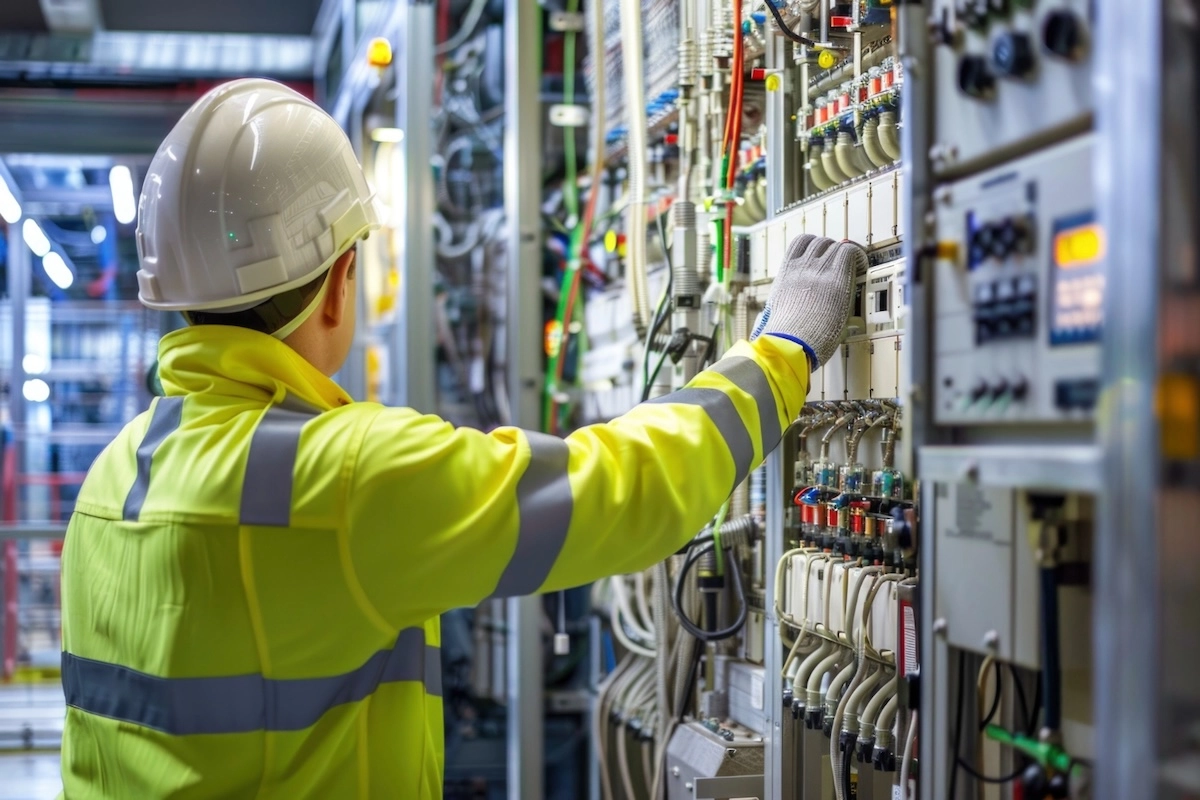
Safety in MCC panels is of critical importance for both personnel and equipment. in these systems operating with high current and voltage, potential short circuits, overheating, or insulation faults can lead to serious dangers. Therefore, MCC panels must be designed in accordance with international standards such as IEC 61439, IEC 60204, and TSE EN 60439. Protection class (IP rating), short-circuit withstand strength (Icw, Icc), form separation (Form 2, 3, 4), and interlocking mechanisms are the fundamental elements of this safety design.
Furthermore, in modern MCC panels, both human safety and system integrity are preserved using arc protection systems, temperature sensors, and earth leakage relays. This facilitates the isolation of energy during a potential fault or maintenance, increases operator safety, and minimizes production interruptions.
Additionally, operator and equipment safety are maximized in panels through the use of arc protection systems, interlocking mechanisms, thermal sensors, and insulation partitions. This structure prevents the entire system from going offline during maintenance or in the event of a fault.
Modularity in MCC panels ensures that the system is flexible, scalable, and easy to maintain. Designing each motor control unit as independent modules makes it possible to add new modules when needed or easily replace a faulty module. This structure ensures production continuity and time savings in industrial facilities.
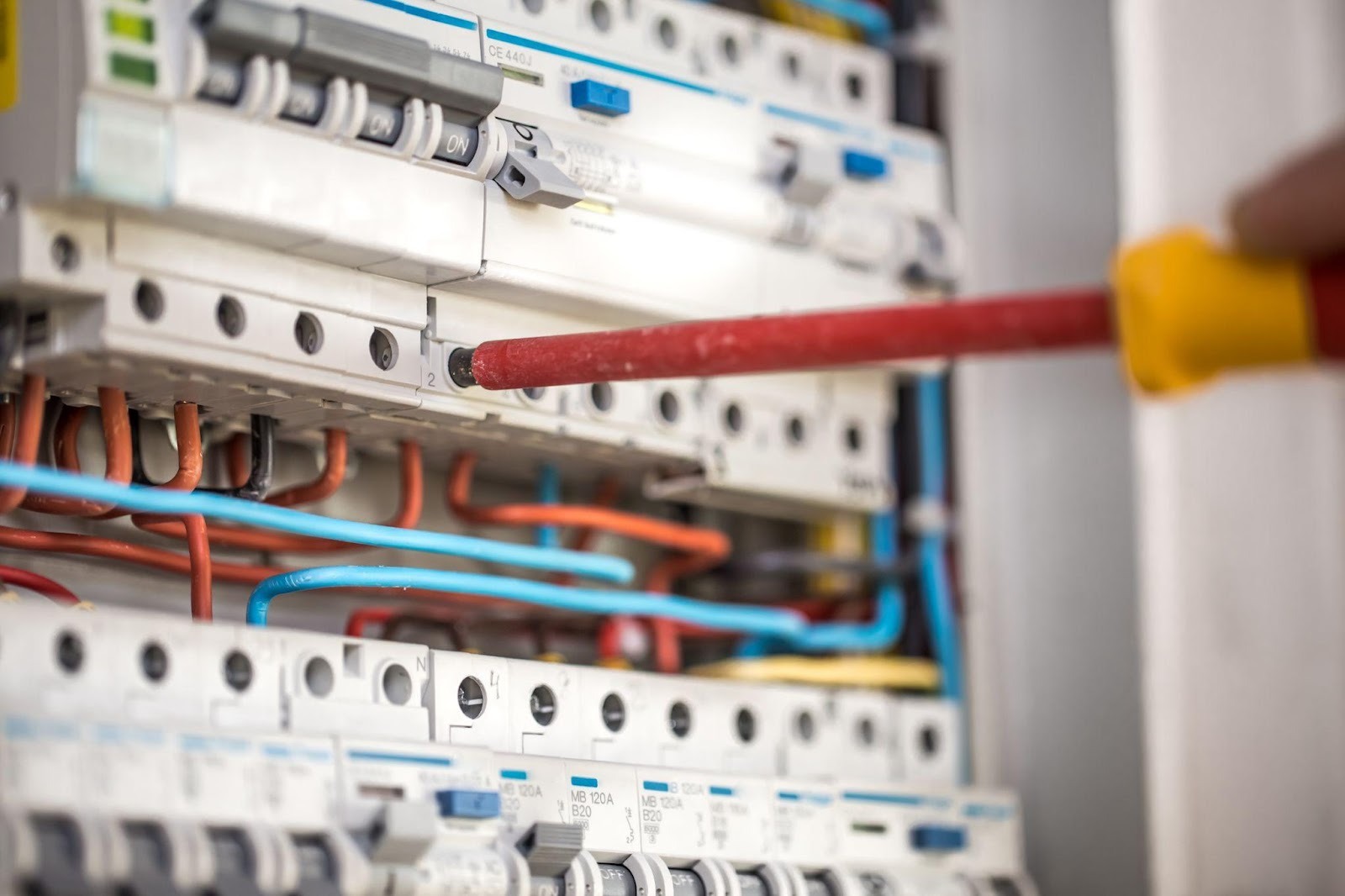
Modular MCC panels are also advantageous in terms of sustainability. These systems, which optimize energy consumption and isolate only the affected area in case of faults, both reduce maintenance costs and increase resource efficiency. Modular designs compliant with the IEC 61439-2 standard are the key to creating long-lasting, safe, and future-compatible systems.
Advantages of modular MCC panels:
This structure implies flexibility, continuity, and investment protection in industrial facilities.
The performance of an MCC panel is directly related to the quality of the components used within it. The fundamental elements of the panel include motor protection switches, thermal relays, contactors, frequency inverters (VFD), soft starters, busbar systems, and measurement devices. These components ensure the safe operation of motors, the balancing of energy distribution, and the stable management of the system.
In addition to this, modern MCC panels also contain PLC modules, communication interfaces, and energy analyzers. In this way, the system is integrated into the automation and data monitoring infrastructure, allowing for real-time energy tracking and fault diagnosis. Selecting each component in accordance with IEC and TSE standards is the fundamental condition for the long-lasting and safe operation of the system.
Generally, the following basic components are found in MCC panels:
All these components must be selected to be of high quality, compliant with standards, and thermally balanced. An incorrectly selected contactor or a fuse with low breaking capacity reduces the safety level of the MCC panel and increases the risk of fire.
With Industry 4.0, MCC panels have become not only electrical control centers but also digital energy management platforms. Equipped with IoT sensors, communicating analyzers, and SCADA systems, MCC panels can monitor motor performance instantaneously. In this way, parameters such as energy consumption, temperature, voltage, and current are analyzed to plan predictive maintenance processes.
This digital infrastructure offers businesses not only operational control but also data-driven decision support. Smart MCC panels detect energy losses, report abnormal situations, and make it possible to monitor the status of every motor on the production line from a central interface. This elevates both energy efficiency and production safety to a higher level.
In this way:
AI-supported analysis software processes this data to guide businesses in energy optimization and predictive maintenance.
Energy efficiency is one of the greatest goals of modern MCC panels. Energy losses are reduced through correct motor control, load balancing systems, and reactive power compensation. Additionally, energy analyzers and communicating meters integrated into MCC panels ensure the continuous monitoring and optimization of consumption.
Thanks to these systems, businesses can reduce their carbon footprint while lowering energy costs. In terms of sustainability, MCC panels play an important role in both energy management and environmental performance. Supported by smart analysis systems, these panels form the foundation of an environmentally sensitive production infrastructure where energy resources are used efficiently.
Additionally:
This approach reduces both operating costs and the carbon footprint.
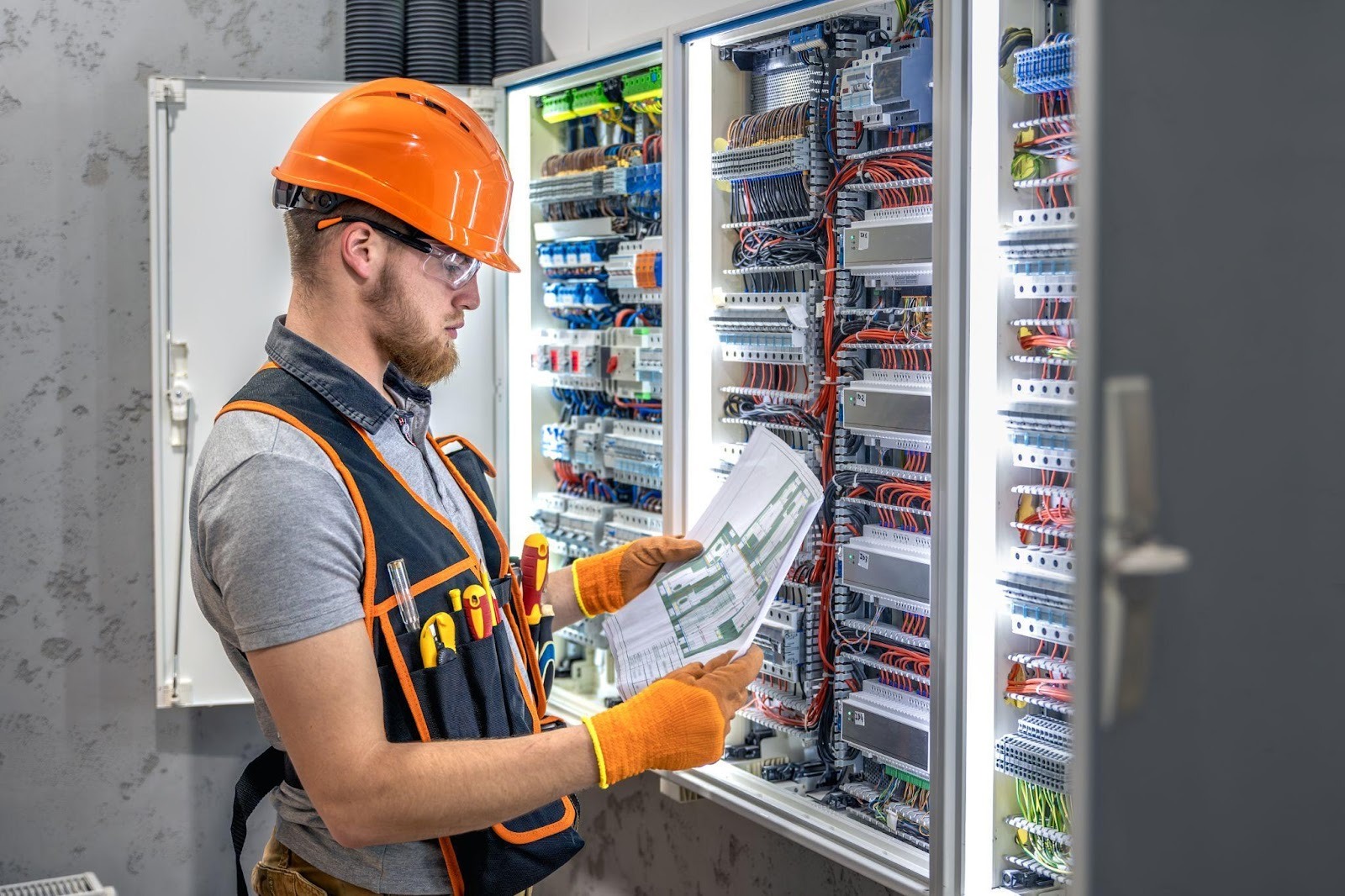
The efficient and safe operation of MCC panels depends on regular maintenance practices. In particular, busbar systems carrying high current, connection points, and contactors must be checked regularly. In modular MCC designs, this process becomes much safer because each module can be isolated and maintained separately.
During maintenance, lockout-tagout systems, isolation partitions, and remote power cut-off features come into play to ensure personnel safety. Furthermore, in digital MCC systems, maintenance requirements are transmitted as automatic alerts via software. This structure minimizes production interruptions while extending equipment life.
However, maintenance is easier and safer in modular systems:
Additionally, in accordance with the IEC 60204-1 standard, operator safety is a priority at every maintenance stage.
Future MCC panels will become not just electrical control systems, but integrated data management centers. Thanks to artificial intelligence, IoT, and digital twin technologies, the performance of every motor will be able to be modeled in a digital environment. This will enable fault predictions to be made in advance and energy optimization to be performed automatically.
In 2025 and beyond, smart MCC panels will be equipped with functions such as remote monitoring, automatic maintenance planning, energy optimization, and carbon reporting. Thus, manufacturing facilities will become not only safe but also sustainable, efficient, and predictable.
With artificial intelligence, IoT, and digital twin technologies:
In short, MCC panels are becoming not just "motor control centers" but "smart production centers."
Safety, Modularity, and Digitalization Combined
Safe, efficient, and flexible production in modern industrial facilities is possible with modular MCC panels. These systems provide businesses with long-term advantages through digital monitoring and ease of maintenance while ensuring energy safety. With MCC solutions compliant with IEC and TSE standards, both human and equipment safety are guaranteed, and sustainable production goals are supported.
What is MCC board?

Why is safety important in MCC boards?
What is Modular MCC?
What standards should MCC boards meet?
What is a digital MCC for?
What advantages do modular MCC boards offer?
How to achieve energy efficiency in MCC panels
How to maintain MCC boards?
What does digitalization bring to MCC boards?
What is the future of MCC systems?
Author
Nurgül Özer
General Manager
Yazar
Blog
Knowledge Base


.svg)
.svg)


