


.svg)


Diary of a Production Line: Routines Transformed by Automation
Discover the transformation brought to production lines by automation, artificial intelligence, and lights-out factory systems. The future is now powered by data!
Blog
Knowledge
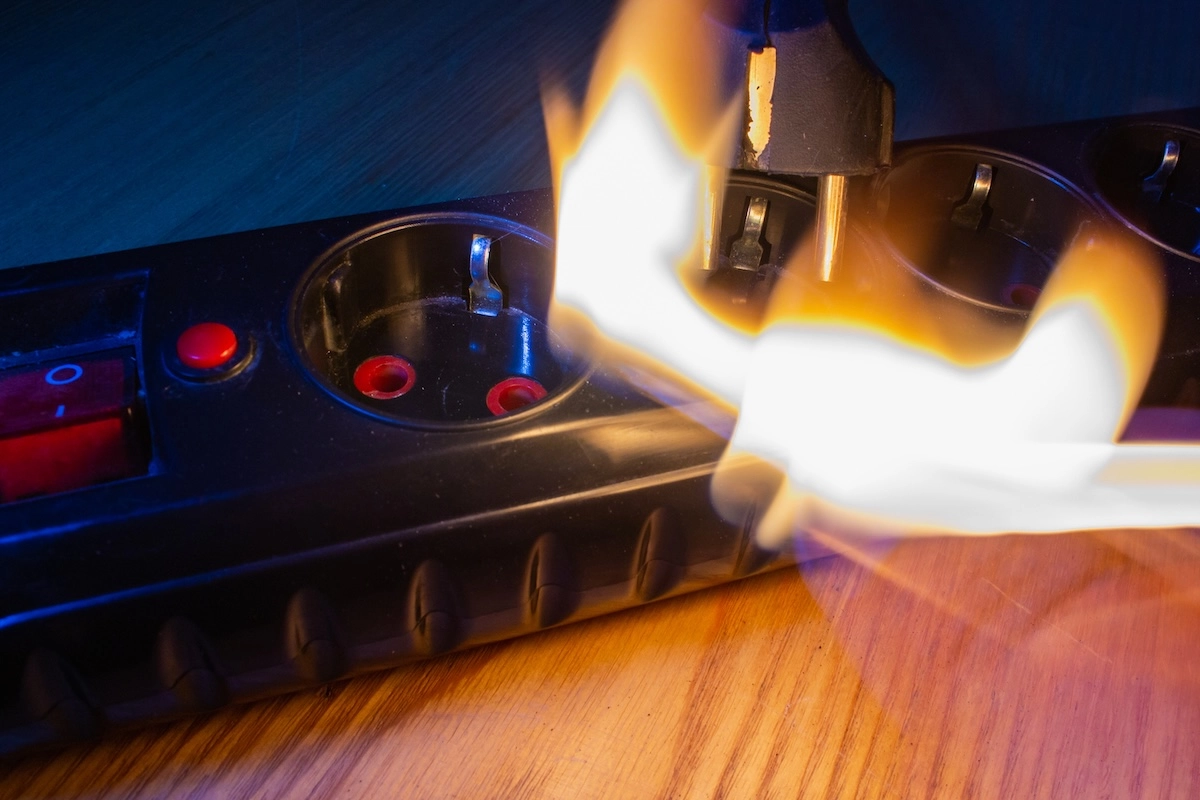
Electrical fires are among the most destructive and dangerous types of fires. One of the most common and hidden causes of such fires is those originating from electrical panels. When the regular inspection of electrical panels, which are usually located in areas not in plain sight and environments rarely monitored, is neglected, it can lead to highly dangerous situations. Electrical panel inspections are precautions often ignored due to the "there is no problem" mindset, yet performing panel inspections periodically and regularly prevents fires and saves lives. Even the slightest spark that might occur in panels can cause very serious fires and losses. Let’s learn about the importance of electrical panels, maintenance methods, and fire prevention techniques in this article. In this way, let us protect both human life and the environment. Contact us for detailed information!

These are fires resulting from malfunctions within electrical systems. One of the most common underlying causes of such fires is the electrical current generating uncontrolled heat and sparks, causing surrounding objects to ignite and thereby starting a fire. Excessive heat generation can occur due to various reasons. Some of these reasons include short circuits, faulty electrical installation, overloading, and the use of old or deteriorated cables.
Electrical fires are preventable, but to know how to prevent them, we first need to understand their causes. Let's examine the causes of electrical fires in detail together.
A short circuit is a condition that can arise as a result of events such as the contact of conductors with each other if the insulation of the conductors used in the electrical system is damaged.
Overloading is a condition caused by the heating of cables as a result of loading an electrical circuit beyond its capacity (connecting too many devices). Very dangerous consequences can arise in situations such as connecting numerous high-power consuming devices to inadequate and outdated circuits found in older structures.
The use of damaged and old cables can cause a decline in insulation standards and, as a result, lead to fires in the electrical line. Unrenewed cables turn older residential areas, in particular, into high fire-risk locations.
As a substance that conducts electricity, if water is present in environments where electrical current exists, it can cause short circuits and indirectly lead to fires. Another danger is the damage it causes in the long term. When water comes into contact with the circuit, it can cause oxidation and corrosion on metal connections. In these situations, a safety risk arises because it weakens the electrical connection.
Grounding is the name given to connecting electrical lines to the ground with the help of a conductor as a precaution against the possibility of electrical leakage. In cases where grounding is not performed, the formation of fire may not be prevented as electrical leaks cannot be stopped.
Fires can occur as a result of individuals who are not experts in the electrical field and who lack comprehensive knowledge of current connection points incorrectly wiring the electrical line. Any operation to be carried out on the electrical line must be performed in consultation with an expert.

Electrical fires are preventable. Some essential precautions that must be taken include:
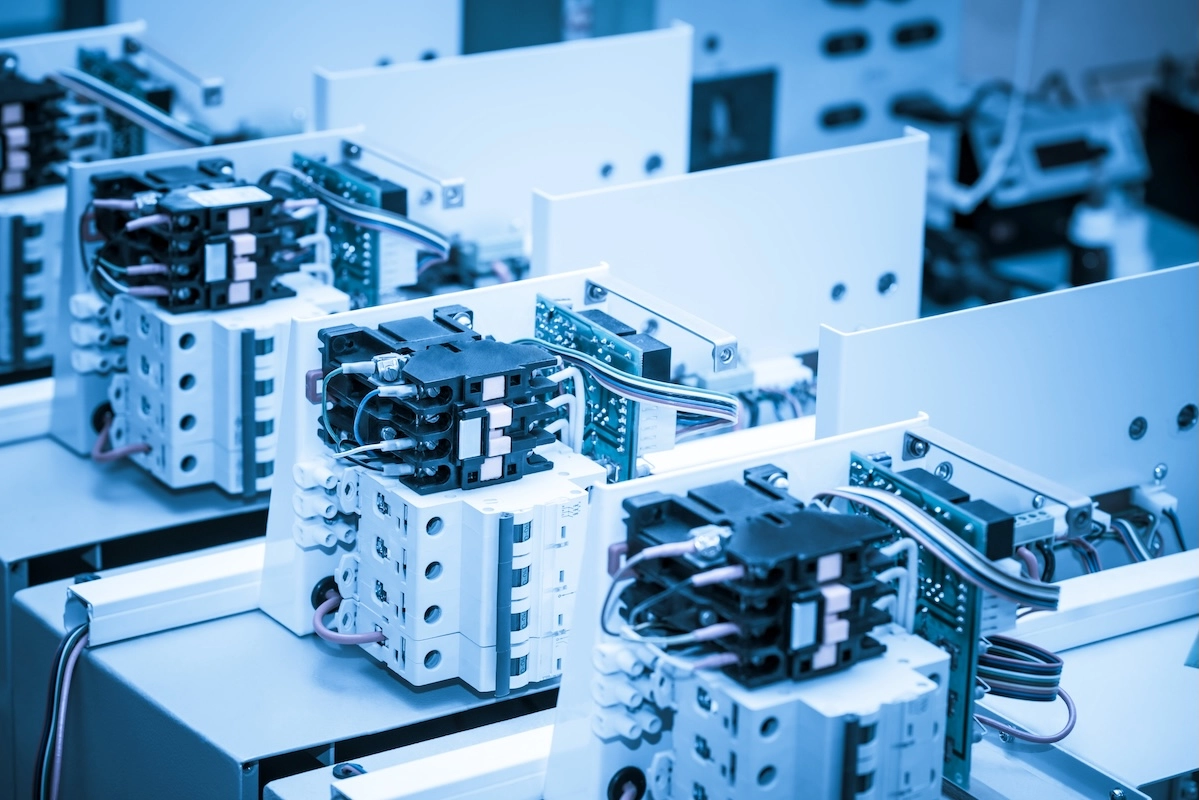
Electrical Panels are systems, typically box-shaped, that perform core functions such as power distribution, control, protection, and monitoring, safely transferring electrical energy to various circuits and keeping them under control. In addition to being a critical structural element in terms of both energy efficiency and security, they function as a central hub that ensures the healthy operation of electrical systems.
Electrical panels can be used as distribution boards in residential areas like apartments and houses, as automation and motor control panels in industry, and as PLC panels on the production line. In short, electrical panels are found in almost every environment where electricity is used. The maintenance, correct use, and functionality of electrical panels are highly important for preventing fires.
Electrical panels are the most important key component for every area where electricity is used. They ensure that electricity distribution is safe and controlled.
In brief, electrical panels ensure that energy is distributed controllably, the likelihood of fire and failure is reduced, the system operates efficiently, and human safety is enhanced.
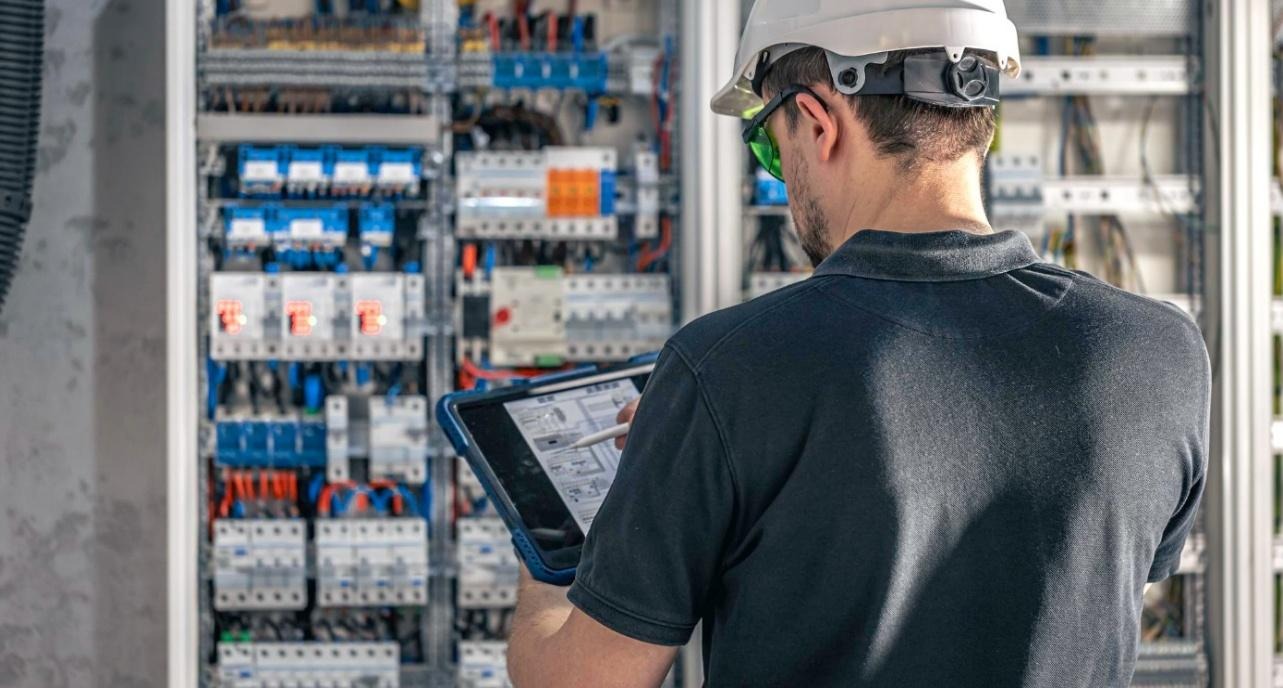
Ensuring electrical panel safety means preventing fires. Therefore, let's examine the precautions that must absolutely be taken.
Equipment with the correct certifications and appropriate standards (TSE, CE, etc.) must be used.
Regular maintenance of electrical panels must not be neglected, and maintenance plans should be established. Maintenance must be carried out by electrical experts when the due date arrives.
Electrical experts must absolutely perform checks on loose connection points and take precautions where loosening is detected. Torque control must be performed additionally for screw-type connection points.
Electrical panels indicate their resistance to liquids and solid objects using IP (Ingress Protection) ratings. These panels must be manufactured with materials resistant to heat and fire, and must include sealing elements. As a precaution against humidity and condensation, desiccant bags and anti-condensation heaters should be placed inside the panel. Cables should be heat-resistant and non-flammable, while busbars must be insulated and covered with insulating protectors. Furthermore, gaps that rodents and insects can enter must be prevented.
By integrating automatic fire detection systems into electrical panels, sensors can be used that ensure the automatic activation of the gaseous extinguishing system.
All components located as part of the electrical panel must be labeled, and the panel's unit schematic must be located in a visible place that is clear, explicit, and understandable.
IoT systems utilize sensors to instantly track factors such as temperature, faults, and moisture, ensuring that warnings for necessary maintenance and precautions reach authorities early. They demonstrate very high functionality in preventing or reporting fires, which is why their usage is highly beneficial.
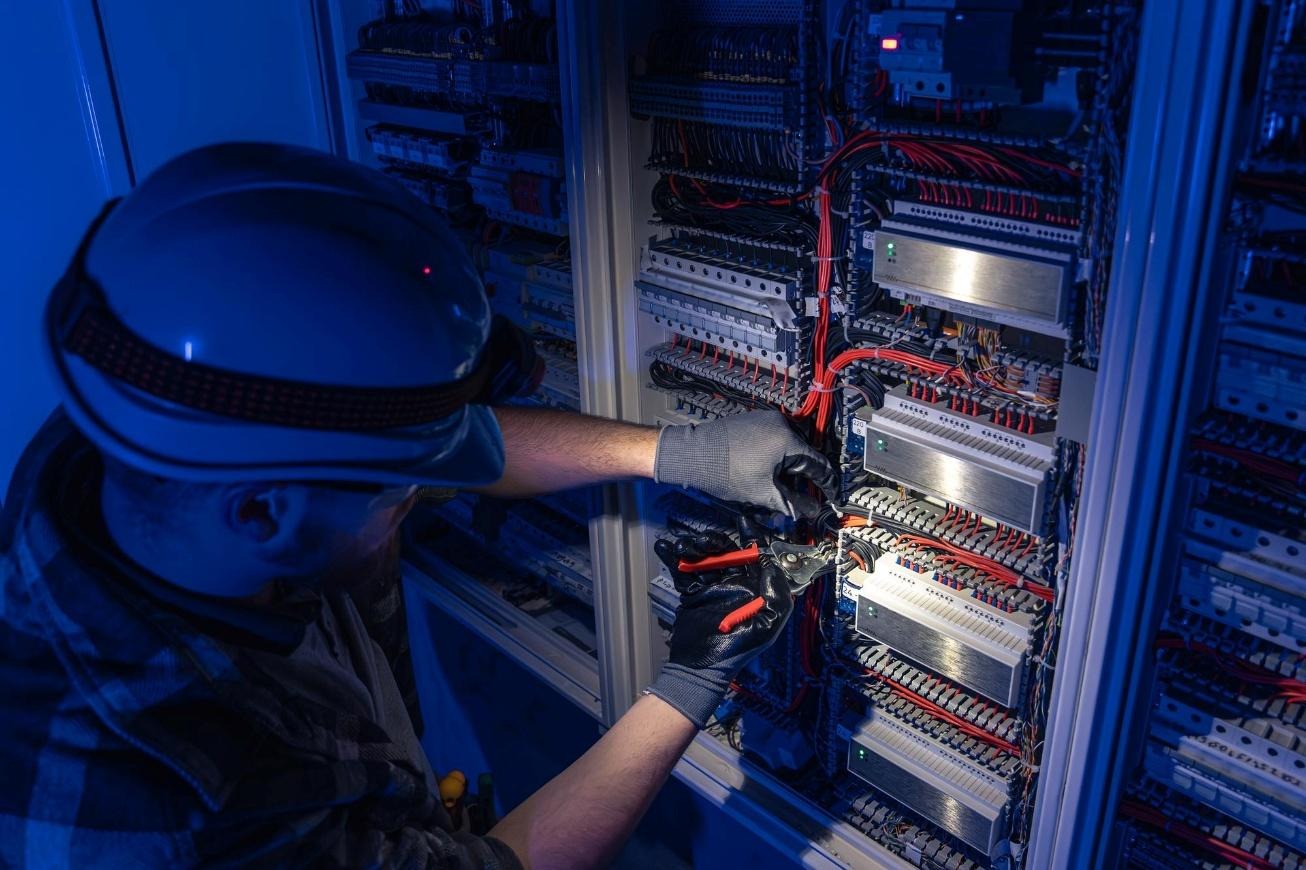
Each of the components found in the electrical panel is important for the panel due to its distinct features.
Electrical panels can be examined from different perspectives. Each distinct examination method further increases the precautions against the possibility of fire. Appropriate personal protective equipment must absolutely be used for all control methods, and these inspections must be carried out by experts.
Using thermal cameras, components with an increase in heat can be identified, and the reason for this condition (such as overloading, loose connections, etc.) can be investigated. Solutions are determined to prevent the possibility of fire.
Incoming and outgoing voltages across the electrical panel are measured, taking the necessary vital precautions, and the current balance and ideality of the neutral current are calculated. The continuity of the grounding is checked.
The stages of visual inspection are examining the visual structure of cables for signs of burning, wear, and breakage; checking for rust and loosening between connections; inspecting for the accumulation of foreign substances; investigating the accuracy of the labels used on the circuit; and finally, searching for damage, melting, or broken parts in the mechanical sections.
The ideality of the grounding resistance is measured, and the insulation status of the cables is checked with a Megger device (Insulation test device). Necessary actions are taken based on the data obtained from these tests.
The residual current device (RCD) is tested to examine the accuracy of its function and correct operation. If present, contactors and automation components are manually tested and their responses are observed.
All performed tests are recorded; if previous inspections were done, the new values are compared with them. In the event of differences, predictions are made regarding the cause and the potential effects.
Electrical panels not only provide electrical order but also form the cornerstones of safety. The devices and systems we use every day can pose great dangers if not managed correctly. However, these risks can be minimized through regular maintenance, the use of quality materials, and professional supervision. Attention paid to electrical panels both reduces fire risks and increases energy efficiency, providing significant long-term savings. Fires that may arise from an electrical fault can lead to loss of life and material damage. Therefore, providing a safe electrical infrastructure for every area is our responsibility. The correct configuration of electrical panels guarantees peace and safety in our living spaces. For living and working in a safe environment, and in short, for maintaining a healthy life, electrical panels must always be prioritized and the necessary maintenance must be performed regularly. Contact us for everything about panels!
What is an electrical panel?

What is Ingress Protection?
What is an Anti-Condensate Heater?
What Is The Relationship Between Electrical Boards And PLC?
How Does a Leakage Current Relay Work?
What is a Megger Device?
Author
Göktuğ Kayacı
Trainee Software Engineer
Yazar
Blog
Knowledge Base


.svg)
.svg)


