


.svg)



Diary of a Production Line: Routines Transformed by Automation
Discover the transformation brought to production lines by automation, artificial intelligence, and lights-out factory systems. The future is now powered by data!
Blog
Knowledge
In today's world, where competition is reshaped by automation technologies and digital transformation, the question "What is Industry 4.0?" no longer represents just a concept, but a transformation that provides concrete commercial benefits to businesses. Thanks to smart production systems, platforms collecting data via sensors, and artificial intelligence-supported decision mechanisms, production processes are now becoming faster, more efficient, and more predictable.
Companies investing in digitalization do not only lower their costs; they also increase production quality and can respond much faster to customer demands. Moreover, digital transformation now appeals to firms of all scales through solutions developed specifically for SMEs, not just large enterprises. So, how ready is your factory for this transformation?
In this content, you can access all the information you need for your digital transformation process, ranging from Industry 4.0 applications, investment costs, and successful Industry 4.0 project examples to technology strategies suitable for SMEs. Now is the time to meet smart production systems!
What is Industry 4.0? This concept represents an industrial revolution where business processes change fundamentally, not only through the automation of production systems but also through digitalization, data sharing, and the ability of systems to make decisions on their own. This transformation makes production capability more flexible and competitive, especially with infrastructures that can work integrated with automation technologies.
While low-cost labor was at the forefront in traditional production, firms now make a difference in elements such as speed, quality, and flexibility thanks to smart production systems. For example, sensors on a production line do not just measure machine efficiency; they can also detect potential failures in advance by performing data analysis with IoT-based systems. This is one of the most critical benefits within digital transformation trends.
Industry 4.0 technologies cover a wide spectrum, from cyber-physical systems to big data analysis, and from 3D printers to AI-supported quality control applications. In this way, companies do not only optimize their production processes but can also establish sustainable superiority in the market by developing entirely new business models.
Energy monitoring systems used within the scope of Industry 4.0 ensure savings by tracking the energy consumption of production equipment in real-time. These systems collect data through various energy measurement methods using advanced energy monitoring software and various data collection tools. The collected data is processed with detailed energy consumption data analysis, helping businesses reduce energy costs and optimize maintenance processes. Thus, production processes become more efficient while unnecessary energy use is prevented.
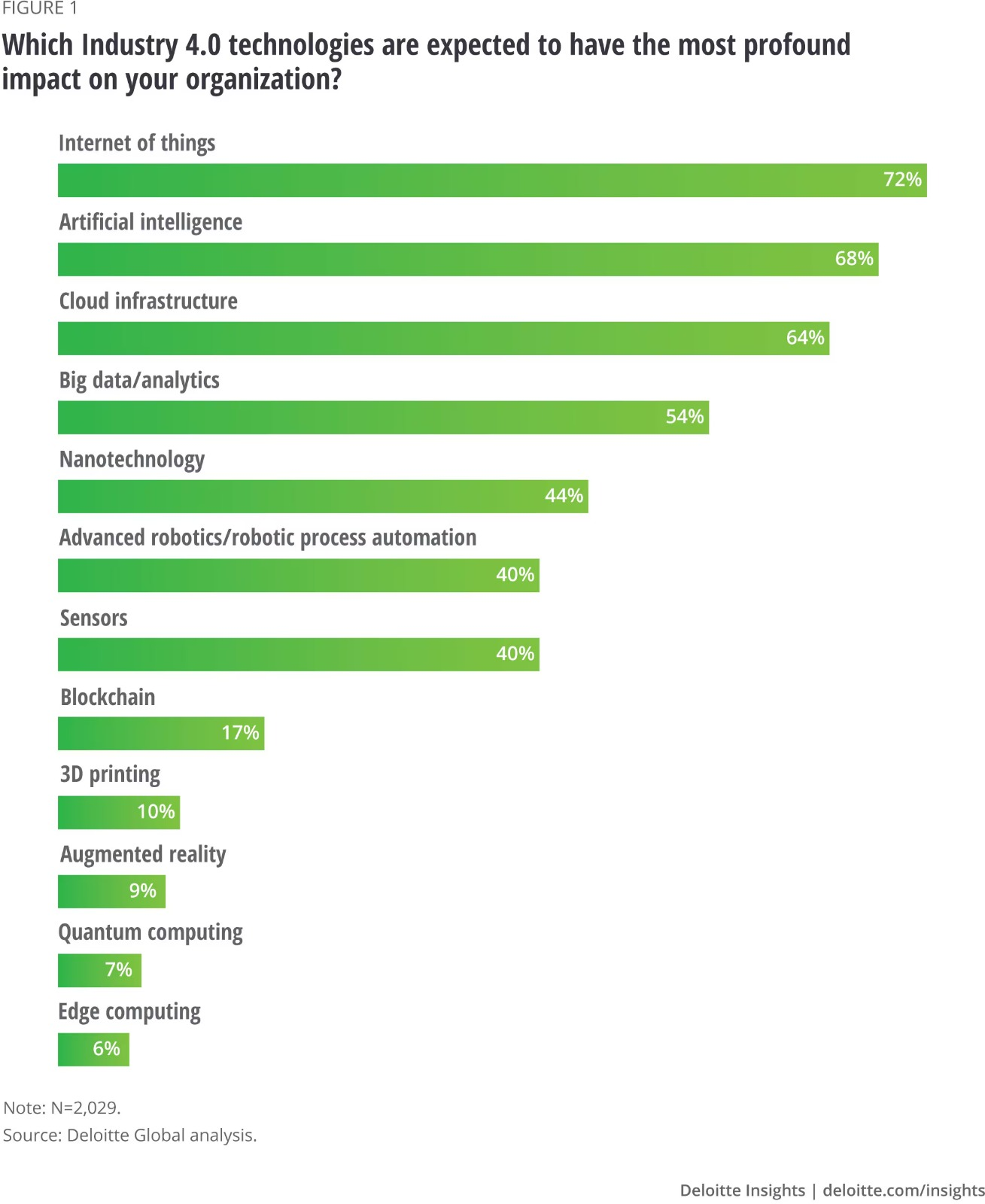
The transition to Industry 4.0 is a strategic investment decision for every business, whether it is a large production facility or at the SME level. Industry 4.0 investment cost elements, which may seem high at first glance, actually turn into significant gains in the medium term. A well-planned digitalization process offers concrete outputs such as an increase in operational efficiency and a decrease in energy consumption.
Investments made especially in automation technologies, PLC automation applications, and production monitoring systems provide versatile benefits such as lowering maintenance costs, shortening production times, and increasing quality.
Among investment items, the most decisive elements in terms of Industry 4.0 project pricing are sensor hardware, data analytics software, ERP/MES integrations, and professional consultancy services. Training and maintenance expenses are also included in the process to ensure these elements work harmoniously together.
In Industry 4.0 projects, sensor hardware and data analytics software constitute a significant portion of investment costs. These technologies increase efficiency by collecting real-time data from production processes, detect malfunctions in advance, and provide savings in energy consumption. Thus, the payback period of the investment is shortened.
Industry 4.0 Investment Items:
The first step to take before starting the digital transformation consultancy process is to correctly determine your business's current digital maturity level. This is because every factory is at a different point in its digitalization journey: while some still use manual systems, others collect data automatically but cannot analyze it. This analysis is a fundamental requirement for developing correct digital transformation strategies.
The measurement process covers a multidimensional evaluation ranging from data collection systems to inter-device communication, and from production planning processes to predictive maintenance infrastructures. International digital maturity models used at this stage offer a structural roadmap to companies and show which Industry 4.0 technologies should be used to move forward.
The following questions provide a practical example of how this evaluation process can be conducted. With these questions, you can easily determine at which stage your factory is in the digital transformation journey.
When measuring your factory's digitalization level, predictive maintenance infrastructures and advanced data collection systems are particularly critical indicators. These technologies do not only increase production efficiency; they also provide significant savings in energy consumption and maintenance costs. A correct assessment directly affects the success of Industry 4.0 investments.
Critical Questions for Digital Maturity Analysis:
Competition in industry is shaped not just by production capacity, but by smart manufacturing systems, automation, and data-driven decision-making competence. Industry 4.0 application examples are strong references showing how this transformation provides concrete outputs in factories. Unlike traditional systems, production lines can be monitored in real-time, predictive maintenance can be performed, and decision processes can be made autonomous thanks to smart manufacturing solutions.
For example, parameters such as temperature, pressure, speed, and vibration can be monitored in real-time through sensor integration. While artificial intelligence-supported automation technologies minimize the error rate in quality control processes, collaborative robots (cobots) optimize the workforce by working alongside human power. Thanks to digital twin technology, bottlenecks can be detected in advance by creating a digital simulation of the production line.
These solutions increase not only efficiency but also quality and sustainability. Every day, more firms are stepping into this transformation process by receiving services from providers that sell smart manufacturing systems.
Industry 4.0 applications are breaking new ground in production processes together with automation technologies. Thanks to PLC automation applications, processes become faster, error-free, and measurable. With the transfer of sensor data to central software, production lines can be optimized in real-time. These technologies carry the value of industrial automation to factories of all scales.
Application Examples of Smart Manufacturing Systems:
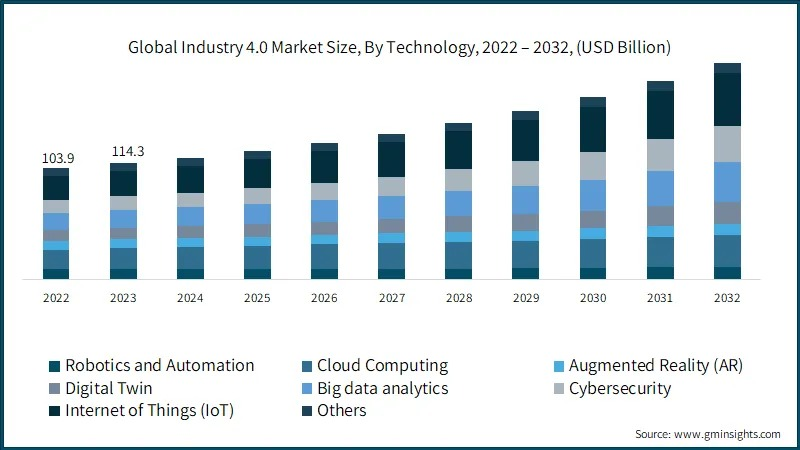
Industry 4.0 applications are not limited to production lines; they also provide significant gains in non-manufacturing sectors such as logistics, energy, agriculture, and construction. Digitalization in these sectors increases efficiency in resource use while ensuring the traceability and sustainability of processes. These steps are of critical importance, especially for firms aiming to reduce environmental impact in line with digital transformation trends.
When Industry 4.0 project examples are examined, smart warehouse solutions in logistics, IoT-supported meter systems in energy, sensor-supported irrigation infrastructures in agriculture, and BIM (Building Information Modeling) applications in construction stand out. These solutions provide both operational excellence and cost reductions.
Furthermore, automation project cost analyses in these areas reveal that in many scenarios, the investment pays off in a short time. More and more businesses are realizing their projects by receiving support from digital transformation consultancy firms that lead this transformation.
Digital transformation trends mean not only technological innovation but also sectoral efficiency and sustainability. In non-manufacturing sectors such as energy, agriculture, logistics, and construction, Industry 4.0 application examples allow processes to become more traceable and cost-effective. Especially with digital transformation strategies, businesses gain the opportunity to make a difference in the market.
Non-Manufacturing Application Areas of Industry 4.0:
The question of what Industry 4.0 is now closely concerns SMEs as well as large industrial organizations. However, many small and medium-sized enterprises may hesitate regarding Industry 4.0 investment costs and technology integration issues. Yet, today it is possible to start this process with low budgets thanks to both digital transformation consultancy firms and government supports.
In particular, cloud-based software enables production tracking and data analysis without investing in local servers or infrastructure, while basic automation infrastructure can be established with affordable sensor kits. With grants provided by institutions such as KOSGEB, TÜBİTAK, and the European Union, smart manufacturing solution prices are becoming accessible for SMEs. Moreover, outsourced consultancy and maintenance services facilitate the implementation of projects without the need to establish a technical team.
This step-by-step transformation model offers great advantages to SMEs that want to meet automation technologies by providing high returns with low risk.
While Industry 4.0 investment costs used to be a deterrent factor for SMEs, today, affordable smart manufacturing systems and subscription-based digital solutions are removing this barrier. Furthermore, with government supports and outsourced digital transformation consultancy services, these investments are becoming both easier and providing a return on investment in a short time.
Applicable Digitalization Solutions for SMEs:
When Industry 4.0 application examples are examined, it is clearly seen that this transformation provides concrete and measurable benefits. Companies investing in digital transformation achieve striking improvements in production time, energy efficiency, quality control, and error rates. Moreover, these achievements are not just theoretical; they have been proven through Industry 4.0 project examples implemented by industry giants.
For example, Siemens reduced production time by 40% by integrating digital twins into its production line. Ford Otosan achieved significant improvements in production processes by deploying AI-based automated data analysis systems. Arçelik increased operational efficiency while optimizing energy usage thanks to AI-supported maintenance applications. Meanwhile, Vestel reached a higher performance level in its production processes through PLC-based automation solutions.
These examples demonstrate that the advantages of Industry 4.0 are not exclusive to large firms; with correct project planning, businesses of all scales can gain efficiency and profitability.
One of the most critical factors among Industry 4.0 advantages is the development of a data-driven decision-making culture. Thanks to digital twin and AI-supported analysis systems, managers can learn from historical data and make forward-looking predictions. This situation takes not only operational success but also strategic management to the next level.
The answer to the question "What is Industry 4.0?" is now a strategic issue rather than just a technological one. For every business that wants to maintain its competitiveness and transition to a sustainable production structure, digital transformation is not a choice but a necessity. Developing industrial automation technologies do not only accelerate production; they are also revolutionary in terms of quality, flexibility, and cost control.
Whether you are an SME or a large-scale facility, it is possible to achieve a return on investment in a short time thanks to Industry 4.0 applications. Moreover, Industry 4.0 project pricing can be much more accessible than you think with outsourced consultancy and grant supports. Take a step today to measure your factory's digitalization level, get information about smart production technologies, and create your roadmap.
First Steps to be Taken:
Remember, Industry 4.0 is not a reality of the future, but of today.

Sources:
Is Industry 4.0 really worth investing in?

Is it appropriate for us to move to Industry 4.0 as a small manufacturer?
What technologies should we start with?
Can we carry out an Industry 4.0 project without consulting?
How can we do factory analysis before investing?
Does Industry 4.0 affect us only technologically?
Author
Nurgül Özer
General Manager
Yazar
Blog
Knowledge Base


.svg)
.svg)


